
Complete Guide to Caring for Handmade Jewelry
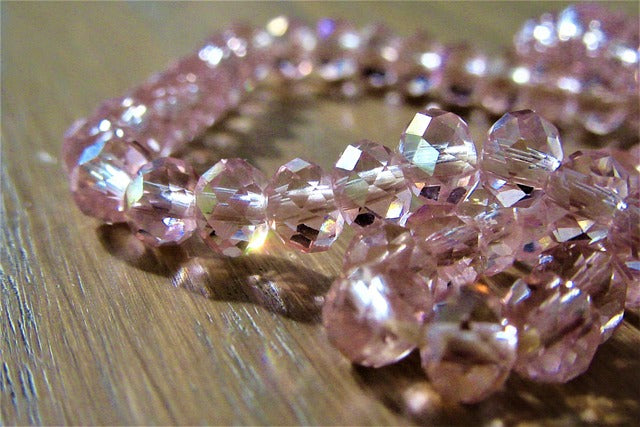
Handmade jewelry is more than a simple fashion accessory. Every handcrafted piece reflects creativity, personal style, and detailed craftsmanship that cannot be replicated by mass production. From elegant necklaces to delicate bracelets and timeless rings, handmade jewelry carries both artistic and sentimental value. Proper care is essential if you want your jewelry to maintain its beauty, shine, and durability for many years.
At Brianne and Co., handcrafted jewelry is created with attention to detail and timeless elegance. However, even the finest jewelry can lose its charm without proper maintenance. Dust, moisture, chemicals, and rough handling can slowly damage delicate pieces over time. This complete guide to caring for handmade jewelry will help you understand the best ways to clean, protect, and preserve your favorite accessories.
Why Handmade Jewelry Requires Special Care
Handmade jewelry often includes delicate details and carefully selected materials that need extra attention. Unlike factory made accessories, handcrafted pieces may contain fine chains, natural gemstones, pearls, or custom finishes that are more sensitive to damage. Proper maintenance helps prevent tarnishing, scratches, and fading. Most importantly, it ensures your jewelry continues looking beautiful every time you wear it.
Another reason handmade jewelry needs special care is because many artisans use unique techniques and premium materials. These details give each piece individuality and elegance, but they can also make the jewelry more delicate. Clearly, treating handcrafted jewelry with care helps preserve the artistry behind every design. A simple maintenance routine can make a significant difference in the longevity of your collection.
Understanding Different Jewelry Materials
Before cleaning or storing jewelry, it is important to understand the materials used in each piece. Different metals and gemstones react differently to moisture, sunlight, and chemicals. Using the wrong cleaning method may damage the finish or weaken delicate settings. Learning about your jewelry materials helps you choose the safest care routine.
Handmade jewelry can include sterling silver, gold plating, pearls, crystals, gemstones, and mixed metals. Some materials require extra polishing while others need protection from water or direct sunlight. Most importantly, understanding the material helps you avoid accidental damage. Proper care begins with knowing what your jewelry is made from.
Gold Plated Jewelry Care
Gold plated jewelry is loved for its luxurious appearance and elegant finish. However, the gold layer is thinner than solid gold, which means it can fade over time if not protected properly. Exposure to water, sweat, and chemicals may cause the plating to wear down. Clearly, gentle handling is essential for maintaining its shine.
To protect gold plated jewelry, always remove it before showering, swimming, or exercising. Perfumes and lotions should also be applied before wearing jewelry to reduce chemical exposure. Store each piece separately inside a soft pouch or jewelry box to avoid scratches. Cleaning should only be done using a dry microfiber cloth without harsh chemicals.
Sterling Silver Jewelry Care
Sterling silver jewelry is timeless, elegant, and versatile, making it a popular choice for handmade designs. However, silver naturally tarnishes when exposed to air and humidity for long periods. Tarnish appears as a dark layer that reduces the natural shine of the metal. Fortunately, proper storage and regular cleaning can help prevent this issue.
Keeping sterling silver jewelry inside airtight bags or anti tarnish pouches is highly effective. Silver should also be cleaned gently with a polishing cloth to maintain its brightness. Avoid exposing silver jewelry to water, sweat, and household chemicals whenever possible. Most importantly, regular maintenance prevents heavy tarnishing and keeps silver looking elegant.
Caring for Gemstone Jewelry
Gemstone jewelry adds color, elegance, and personality to handmade accessories. However, many natural gemstones are sensitive to chemicals, scratches, and sudden temperature changes. Some stones are softer than others and may become damaged if cleaned improperly. Clearly, gemstones require careful handling and gentle maintenance.
Always clean gemstone jewelry with a soft damp cloth instead of abrasive cleaners. Store gemstone pieces separately to prevent harder stones from scratching softer ones. Avoid exposing gemstones to direct sunlight for extended periods because some colors may fade over time. Proper care helps maintain the brilliance and beauty of natural stones.
Pearl Jewelry Maintenance
Pearls are among the most delicate materials used in handmade jewelry. Unlike gemstones, pearls are organic and can easily lose their luster if exposed to chemicals or excessive moisture. Perfumes, hairsprays, and makeup products may damage their smooth surface. Most importantly, pearls should always be handled with extra care.
After wearing pearl jewelry, gently wipe each pearl with a soft cloth to remove oils and sweat. Pearls should be stored flat in a soft pouch rather than hanging for long periods. Never soak pearls in water or use harsh cleaners because this can weaken their natural coating. Proper storage and gentle cleaning will keep pearls elegant for years.
Daily Habits That Protect Handmade Jewelry
Small daily habits can significantly increase the lifespan of handmade jewelry. One of the best habits is putting jewelry on after applying makeup, perfume, lotion, or hairspray. These products contain chemicals that may damage metals and gemstones over time. Clearly, avoiding direct chemical exposure helps preserve the original finish.
Another important habit is removing jewelry before physical activities. Exercise, swimming, gardening, and household cleaning can expose jewelry to sweat, water, and impact damage. Sleeping with jewelry should also be avoided because chains may tangle or bend overnight. Most importantly, simple precautions reduce unnecessary wear and tear.
Proper Ways to Clean Handmade Jewelry
Regular cleaning helps handmade jewelry maintain its sparkle and beauty. Dirt, oils, and dust naturally build up on jewelry surfaces with daily use. If left uncleaned, this buildup can make metals appear dull and gemstones lose their shine. Gentle cleaning is the safest way to restore the jewelry’s appearance.
The best cleaning method involves lukewarm water, mild soap, and a soft microfiber cloth. Carefully wipe the jewelry instead of scrubbing aggressively. Jewelry should always be dried completely before being stored away. Most importantly, avoid soaking delicate pieces for long periods because moisture can weaken adhesives and finishes.
Cleaning Products to Avoid
Many commercial jewelry cleaners contain harsh ingredients that may damage handmade pieces. Strong chemicals can weaken metal plating, discolor gemstones, or scratch delicate surfaces. Using the wrong cleaning product may permanently affect the appearance of your jewelry. Clearly, gentle methods are always the safest option.
Avoid using bleach, alcohol based cleaners, acetone, or abrasive polishers on handmade jewelry. Toothpaste should also never be used because it is too rough for delicate metals and stones. Ultrasonic cleaning machines may loosen gemstones in handcrafted settings. Choosing mild soap and soft cloths helps prevent unnecessary damage.
Best Storage Methods for Handmade Jewelry
Proper storage is one of the most important parts of jewelry care. Jewelry pieces stored together may scratch, tangle, or damage each other over time. Necklaces can become knotted while gemstones may rub against metal surfaces. Clearly, organized storage helps protect your collection from avoidable damage.
Each jewelry piece should be stored separately inside a soft pouch or compartment. Jewelry boxes with fabric lining are excellent for protecting delicate accessories. Keeping jewelry in cool and dry areas also helps reduce tarnishing and moisture damage. Most importantly, proper storage extends the lifespan of handmade jewelry significantly.
Protecting Jewelry From Humidity
Humidity is one of the main causes of tarnishing, especially for silver jewelry. Bathrooms and damp environments expose jewelry to excess moisture that accelerates oxidation. Over time, this may cause metals to darken or lose their shine. Keeping jewelry dry is essential for preserving its original appearance.
Silica gel packets inside jewelry boxes can help absorb excess humidity. Airtight containers and anti tarnish bags also provide excellent protection against moisture exposure. Jewelry should never be left near sinks or wet surfaces for long periods. Proper humidity control keeps handmade pieces looking clean and polished.
Travel Tips for Handmade Jewelry
Traveling with jewelry requires extra care because delicate pieces can easily become tangled or scratched. Throwing jewelry loosely into a bag increases the risk of damage and loss. Clearly, proper organization is important when carrying accessories during trips. A little preparation helps protect valuable pieces.
Using a travel jewelry organizer with soft compartments is highly recommended. Necklaces should be secured properly to prevent tangling during transportation. Valuable jewelry should always remain in carry on luggage instead of checked bags. Most importantly, keeping jewelry organized reduces stress and prevents accidental damage while traveling.
How to Prevent Jewelry Tarnishing
Tarnishing occurs naturally when metals react with air, moisture, and oils from the skin. Silver jewelry is especially prone to developing dark discoloration over time. While tarnish is common, proper care can slow the process significantly. Regular maintenance helps preserve the jewelry’s shine and beauty.
Wiping jewelry after each use removes sweat and oils that contribute to tarnishing. Storing jewelry in airtight containers also reduces air exposure. Anti tarnish strips and pouches are affordable solutions that provide additional protection. Most importantly, consistent care prevents heavy tarnish buildup.
Caring for Handmade Necklaces
Handmade necklaces often contain delicate chains and detailed pendants that require careful handling. Chains can tangle easily if stored incorrectly, leading to knots or breakage. Pulling tangled chains forcefully may weaken the links permanently. Clearly, proper storage is essential for necklace care.
Necklaces should be hung separately or laid flat inside jewelry boxes. Clasps should always be fastened before storage to reduce tangling. Cleaning necklaces gently with a microfiber cloth helps maintain their shine. Proper handling keeps chains strong and elegant for long term use.
Caring for Handmade Earrings
Earrings are exposed to skin oils, makeup, and hair products regularly, making routine cleaning important. Dirty earring posts may lose their shine or become uncomfortable to wear. Small gemstones and delicate hooks can also become damaged if handled carelessly. Most importantly, earrings should always be stored safely in pairs.
Cleaning earrings with a soft cloth after wearing helps remove buildup. Storing pairs together prevents pieces from getting lost or scratched. Avoid dropping gemstone earrings because impact can loosen stones or crack delicate settings. Gentle care ensures earrings remain stylish and comfortable.
Caring for Handmade Rings
Rings experience more daily contact than most jewelry types because hands are constantly used throughout the day. Soap, water, chemicals, and rough surfaces can gradually affect the metal and gemstones. Clearly, rings need regular cleaning and protection from harsh activities. Proper habits can reduce unnecessary wear.
Removing rings before washing dishes, cleaning, or exercising is highly recommended. Rings should also be cleaned regularly to remove dirt trapped around settings. Storing rings separately prevents scratching against harder jewelry pieces. Most importantly, regular inspections help identify loose stones before they become lost.
Common Jewelry Care Mistakes
Many people unknowingly damage handmade jewelry through simple everyday habits. Wearing jewelry in pools or showers exposes metals to chlorine, soap residue, and moisture. Storing multiple pieces together may also lead to scratches and tangled chains. Clearly, avoiding these mistakes helps preserve jewelry quality.
Another common mistake is neglecting regular maintenance and cleaning. Dirt and oils gradually reduce shine and weaken delicate finishes over time. Using harsh cleaning methods such as toothpaste or chemical cleaners can also damage jewelry permanently. Gentle care practices always provide better long term results.
Why Handmade Jewelry Is Worth Preserving
Handmade jewelry carries artistic value that mass produced accessories often lack. Every handcrafted piece reflects creativity, skill, and attention to detail from the artisan who created it. Many jewelry items also hold sentimental meaning connected to memories, gifts, or important life moments. Clearly, preserving these pieces is worthwhile.
Quality handmade jewelry can last for generations when cared for properly. Regular maintenance protects both the appearance and emotional significance of each accessory. At Brianne and Co., handcrafted jewelry is designed to combine elegance with timeless beauty. Proper care ensures these meaningful pieces continue shining for years to come.
Final Thoughts
Caring for handmade jewelry does not need to be complicated, but it does require consistency and attention. Small daily habits such as proper cleaning, careful storage, and avoiding moisture can make a major difference in preserving your collection. Handmade jewelry deserves thoughtful care because every piece reflects craftsmanship and individuality.
By following the tips in this complete guide to caring for handmade jewelry, you can protect your favorite accessories from tarnishing, scratches, and unnecessary damage. Most importantly, proper maintenance allows your jewelry to remain elegant, meaningful, and wearable for many years. With the right care routine, handcrafted jewelry can continue looking as beautiful as the day you first received it.

Comments