
What Makes Handmade Fine Jewelry a Better Investment Than Mass-Produced Jewelry?
In a world where fast fashion and mass production dominate many industries, fine jewelry remains one of the few luxury categories where craftsmanship, authenticity, and exclusivity truly matter. While mass-produced jewelry offers affordability and convenience, handmade fine jewelry provides lasting value that extends beyond appearance. It represents skilled artistry, premium materials, individuality, and superior quality that can be treasured for generations.
For anyone looking to purchase jewelry that offers beauty, durability, and long-term worth, handmade fine jewelry stands out as a significantly better investment. Whether you're buying an engagement ring, a necklace, earrings, or a timeless bracelet, understanding the differences between handmade and factory-produced pieces can help you make a smarter purchasing decision.,
The True Meaning of Handmade Fine Jewelry
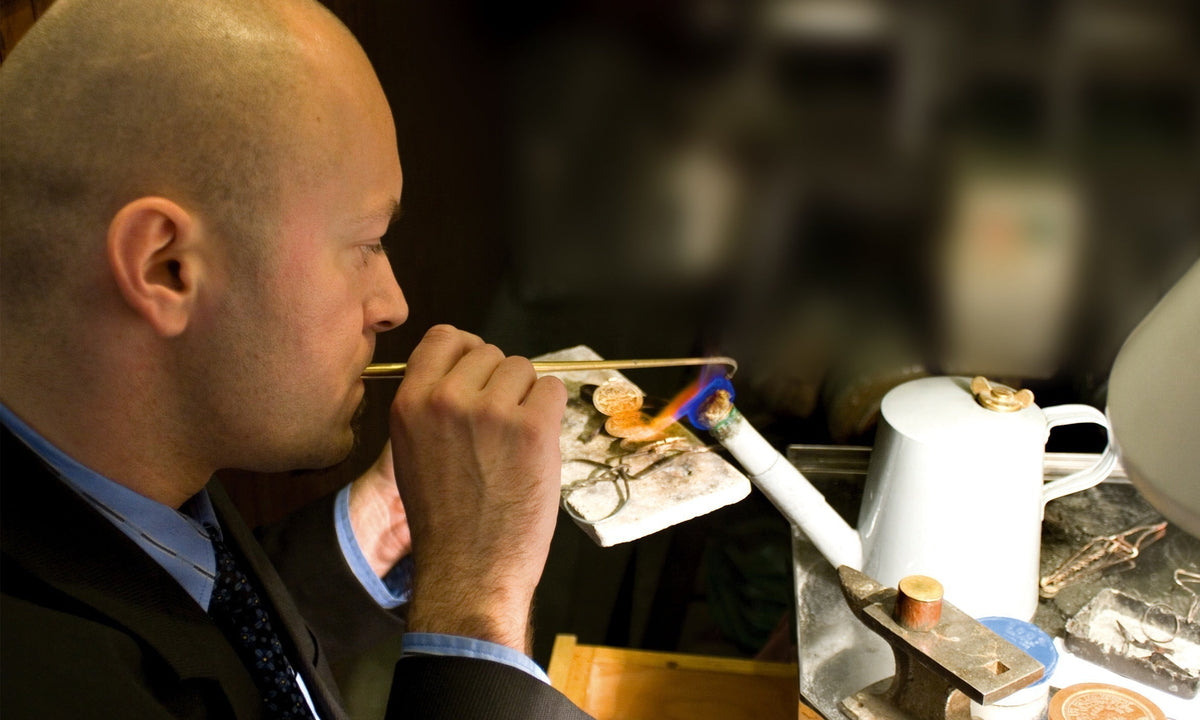
Handmade fine jewelry is created by experienced artisans who carefully craft each piece using traditional jewelry-making techniques. Instead of relying entirely on automated machinery, skilled jewelers shape, solder, polish, and finish every detail by hand. This process requires patience, expertise, and attention to detail, resulting in jewelry that carries both artistic and emotional value.
Unlike mass-produced jewelry, where thousands of identical pieces are manufactured in factories, handmade jewelry reflects the creativity and dedication of its maker. Each piece has its own subtle characteristics, making it genuinely unique.
Superior Craftsmanship Creates Lasting Value
One of the biggest reasons handmade jewelry is considered a better investment is its exceptional craftsmanship.
Professional artisans spend hours—or sometimes even days—perfecting every component of a single design. Every gemstone is carefully set, every metal edge is polished, and every detail is inspected to ensure superior quality.
Mass production focuses on speed and quantity. Machines assemble jewelry quickly, often sacrificing precision to reduce manufacturing costs. Handmade jewelry, on the other hand, prioritizes quality over volume.
This meticulous craftsmanship often leads to:
-
Stronger settings
-
Better structural durability
-
Cleaner finishing
-
More balanced designs
-
Longer lifespan
A well-crafted handmade piece can easily last for generations with proper care.
Higher Quality Materials
Handmade fine jewelry typically uses premium materials that enhance both beauty and longevity.
Many artisan jewelers carefully source:
-
Solid gold
-
Platinum
-
Sterling silver
-
Natural diamonds
-
Genuine gemstones
-
Ethically sourced materials
Rather than using thin metal plating or lower-grade alloys, handmade jewelers often choose materials designed to withstand everyday wear.
Mass-produced jewelry frequently relies on cost-cutting methods such as:
-
Hollow construction
-
Thin gold plating
-
Synthetic stones
-
Lightweight metals
-
Lower-quality settings
These shortcuts may reduce the initial purchase price but can significantly shorten the jewelry's lifespan.
Every Piece Is Truly Unique!
One of the greatest appeals of handmade jewelry is exclusivity.
Because every item is individually crafted, no two pieces are ever exactly alike. Small variations in texture, polishing, stone placement, and finishing create a one-of-a-kind design.
Owning unique jewelry adds personal significance that factory-made products simply cannot replicate.
Mass-produced jewelry often appears in countless retail stores, making it common rather than distinctive.
For people who value originality, handmade jewelry offers unmatched individuality.
Better Long-Term Financial Value
Although handmade jewelry often costs more initially, it frequently provides better value over time.
Several factors contribute to its long-term investment potential:
Durable Construction
Handmade jewelry tends to require fewer repairs because of its stronger craftsmanship.
Higher Resale Value
Well-crafted fine jewelry made from precious metals and genuine gemstones often retains more of its market value.
Timeless Designs
Many handmade jewelers focus on classic aesthetics instead of temporary fashion trends, allowing pieces to remain stylish for decades.
Family Heirlooms
Handmade jewelry is often passed down through generations, increasing both sentimental and historical value.
Greater Attention to Detail
Small details often separate luxury jewelry from ordinary jewelry.
Artisan jewelers pay close attention to:
-
Stone symmetry
-
Polishing quality
-
Metal thickness
-
Comfort during wear
-
Clasp security
-
Finish consistency
These details not only improve appearance but also increase durability and wearer satisfaction.
Factory production lines cannot dedicate the same amount of individual attention to every item.
Ethical and Responsible Production
Consumers today are increasingly interested in ethical purchasing.
Many handmade jewelry brands emphasize responsible sourcing and sustainable practices by using:
-
Recycled precious metals
-
Conflict-free diamonds
-
Ethically mined gemstones
-
Environmentally responsible production methods
Small-scale artisans also tend to produce less waste than large manufacturing facilities.
Supporting handmade jewelry often means supporting responsible craftsmanship rather than mass industrial production.
Customization Makes Handmade Jewelry More Valuable
Another significant advantage of handmade jewelry is customization.
Artisans can often personalize designs by modifying:
-
Gemstone selection
-
Metal type
-
Ring size
-
Engravings
-
Stone arrangement
-
Overall style
This flexibility allows buyers to create jewelry that perfectly reflects their personality or commemorates important life events.
Mass-produced jewelry typically offers limited customization options.
Emotional Value Cannot Be Manufactured
Jewelry is more than an accessory—it often symbolizes love, commitment, celebration, and cherished memories.
Knowing that an artisan personally crafted a piece adds emotional significance that machine-made jewelry cannot provide.
Handmade jewelry frequently celebrates:
-
Engagements
-
Weddings
-
Birthdays
-
Anniversaries
-
Graduations
-
Family milestones
These emotional connections often become more valuable than the jewelry's monetary worth.
Stronger Gemstone Settings
Gemstone security is essential in fine jewelry.
Experienced jewelers carefully inspect every setting to ensure stones remain secure during regular wear.
Handmade settings often feature:
-
Better prong alignment
-
Stronger bezels
-
More precise stone placement
-
Greater durability
Mass-produced settings may occasionally prioritize speed over precision, increasing the risk of loose stones over time.
Timeless Rather Than Trendy
Fashion trends constantly change.
Mass-produced jewelry often follows seasonal styles that quickly become outdated.
Handmade jewelers frequently create timeless designs inspired by:
-
Minimalism
-
Classic elegance
-
Vintage influences
-
Traditional craftsmanship
These enduring styles maintain their appeal for decades, making them smarter long-term investments.
Better Customer Experience
Buying handmade jewelry usually involves direct communication with the artisan or independent jewelry brand.
Customers often receive:
-
Personalized service
-
Design consultations
-
Custom recommendations
-
Higher transparency
-
Better after-sales support
This relationship builds trust and confidence throughout the purchasing process.
Large-scale manufacturers rarely provide the same level of individualized attention.
Supporting Skilled Artisans
Every handmade purchase supports talented craftspeople who dedicate years to mastering their profession.
Instead of contributing to large-scale factory production, buyers help preserve traditional jewelry-making techniques that have been passed down through generations.
Supporting artisans also strengthens local economies and encourages creativity within the jewelry industry.
Handmade Jewelry Ages Beautifully
One hallmark of quality jewelry is how it ages.
Premium handmade pieces often develop a graceful character over time while maintaining structural integrity.
With occasional cleaning and maintenance, handcrafted jewelry continues to look beautiful for decades.
Mass-produced pieces made from lower-quality materials may discolor, wear down, or require replacement much sooner.
Ideal for Special Occasions
Life's biggest milestones deserve jewelry that reflects their importance.
Handmade fine jewelry is especially suitable for:
-
Engagement rings
-
Wedding bands
-
Anniversary gifts
-
Family heirlooms
-
Graduation presents
-
Birthday keepsakes
These meaningful occasions often justify investing in a piece designed to last a lifetime rather than only a few years.
Better Quality Control
Independent jewelers often inspect every piece multiple times during production.
Quality checks may include:
-
Stone security
-
Surface polishing
-
Metal strength
-
Clasp functionality
-
Size accuracy
-
Final finishing
Since artisans personally oversee production, defects are less likely to reach customers.
Mass-production facilities rely on standardized inspections, but high production volumes can make it more challenging to catch every minor imperfection.
Investment Beyond Monetary Value
When evaluating jewelry as an investment, financial appreciation is only one consideration.
Handmade jewelry also offers returns through:
-
Personal satisfaction
-
Emotional attachment
-
Family heritage
-
Artistic appreciation
-
Long-lasting beauty
-
Exceptional craftsmanship
These intangible benefits often outweigh simple resale value.
Why Handmade Jewelry Is Worth the Higher Price
Some buyers hesitate because handmade jewelry generally costs more than factory-produced alternatives.
However, the higher price reflects:
-
Skilled labor
-
Premium materials
-
Longer production time
-
Individual craftsmanship
-
Better durability
-
Exclusive designs
Instead of purchasing several lower-quality pieces over time, investing in one exceptional handmade piece can provide greater value for many years.
Conclusion
Handmade fine jewelry represents far more than luxury—it is an investment in artistry, quality, durability, and individuality. While mass-produced jewelry offers convenience and lower prices, it often cannot match the craftsmanship, premium materials, personalization, and lasting appeal of handcrafted pieces.


Comments